|
|
 |
 |
||||||
|
January 12, 2007 This Week:
© 1998 - 2007
Copyright & |
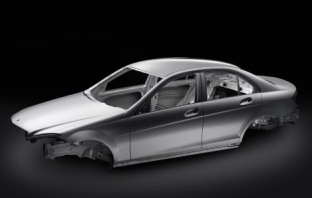
In an environmental balance verified by the TÜV experts, Mercedes-Benz specialists analysed the entire lifecycle of the new saloon - from the production of the materials and components to a car operating mileage of 200,000 kilometres - computing both the emissions and the energy requirements. Compared to the preceding model from the year 2000, the total energy requirements of the new C-Class decrease by 125 gigajoules, which corresponds to the energy content of about 3800 litres of petrol. Emissions of the greenhouse gas carbon dioxide are reduced over the entire lifecycle by nine tons per vehicle. Volume of components made of recycled plastics increased by 34 percent by weight Mercedes-Benz is also achieving further progress in the selection of materials. The new C-Class uses mostly materials which are distinguished by minimal consumption of resources, low energy requirements and good recycling characteristics. The saloon thus already complies with the EU recycling rules due to take effect in 2015, which call for a 95 percent recycling rate (with maximum ten percent energy recovery). As a contribution to the conservation of resources, in the new C-Class 32 components with a total weight of more than 40 kilograms can be manufactured from recycled plastics. This increases the volume of approved parts made of recycled materials by 34 percent versus the preceding model. The “Design for Environment“ (DfE) principle defined by ISO standard 14062 has been firmly established in the development process for Mercedes-Benz passenger cars for twelve years. Specialists in the fields of environmental balance, dismantling and recycling planning, materials and process engineering, design and production accompany the development of new models right from the start, define the ecological requirements and ensure that the principle of “Design for Environment” is uncompromisingly applied. The new C-Class is the second Mercedes-Benz model since the introduction of the S-Class in 2005 to have its environmentally oriented development process reviewed and confirmed by independent experts. Mercedes-Benz remains the world’s only vehicle brand to have an Environmental Certificate meeting ISO standards. (Jan 10, 2007)
|
||||||